

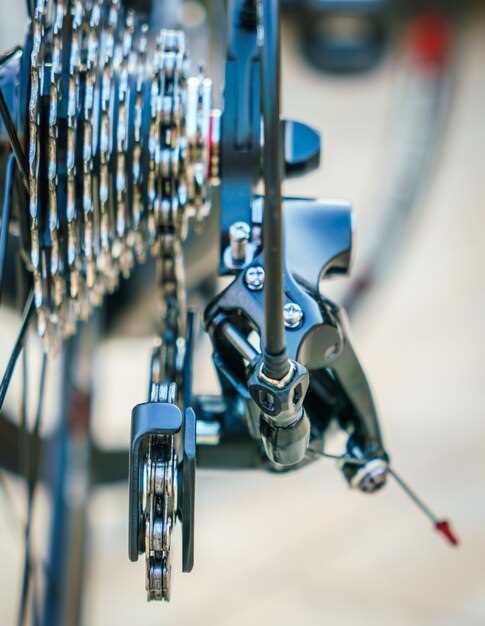
When it comes to optimizing your Birkin vehicle, the braking system is often overlooked. However, efficient and responsive brakes are crucial for enhancing overall performance, ensuring safety, and maximizing driving enjoyment. Upgrading your brake system can dramatically improve the vehicle’s handling, stopping power, and reliability, particularly in high-performance situations.
This article explores the benefits and options available for upgrading brake systems specifically tailored for Birkin automobiles. By understanding the various components and technologies available, you can make informed decisions that will elevate your vehicle’s performance to new heights.
From brake pads and rotors to calipers and lines, we will delve into each element of the braking system, discussing how enhancements in material and design can lead to shorter stopping distances, reduced brake fade, and better heat dissipation. Emphasizing the importance of a well-rounded braking system will allow you to enjoy the full potential of your Birkin, whether on the track or the open road.
Join us as we examine the top upgrades to consider, the significance of proper installation, and how regular maintenance can keep your enhanced braking system performing at its best. With the right modifications, you can achieve unparalleled driving confidence and performance in every twist and turn.
Choosing the Right Brake Components for Optimal Performance
Upgrading the brake system is a critical step in enhancing the performance of a Birkin vehicle. The proper brake components can significantly affect stopping power, responsiveness, and overall driving dynamics. To achieve optimal performance, it’s essential to select the right components tailored to your specific needs.
Brake Pads: The choice of brake pads can dramatically impact performance. High-performance pads, made from materials such as ceramic or semi-metallic compounds, offer superior heat resistance and consistent friction values. Ensure that the pads selected are compatible with your rotors and are suited for the intended driving conditions, whether it’s street use or track racing.
Brake Rotors: Upgrading to larger and ventilated rotors can improve heat dissipation and reduce brake fade during heavy use. Consider slotted or drilled rotors, which enhance performance by increasing the surface area for better grip and cooling. Material choice is also important; options like carbon-carbon or high-carbon rotors are ideal for extreme performance applications.
Brake Lines: Replacing rubber brake lines with stainless steel braided lines can enhance pedal feel and responsiveness. Stainless steel lines prevent expansion under pressure, thereby providing a firmer brake pedal. Ensure that the lines are correctly fitted and compatible with the existing brake system to maintain safety and performance integrity.
Brake Calipers: Upgrading to multi-piston calipers can improve clamping force, leading to better braking efficiency. Larger calipers allow for greater pad surface area contact with the rotor, which translates to increased stopping power. Always ensure caliper compatibility with your vehicle’s wheel size and suspension setup.
Fluid: Do not overlook the brake fluid. High-performance brake fluid with a higher boiling point is essential for maintaining performance under demanding conditions. Synthetic fluids generally offer better thermal stability and moisture resistance, reducing the likelihood of vapor lock and ensuring consistent braking performance.
In conclusion, choosing the right brake components involves careful consideration of various factors, including material, design, and compatibility with existing systems. By selecting high-quality parts that match your performance needs, you can enhance your Birkin’s braking system, leading to improved safety and driving enjoyment.
Installation Techniques for Enhanced Brake Responsiveness
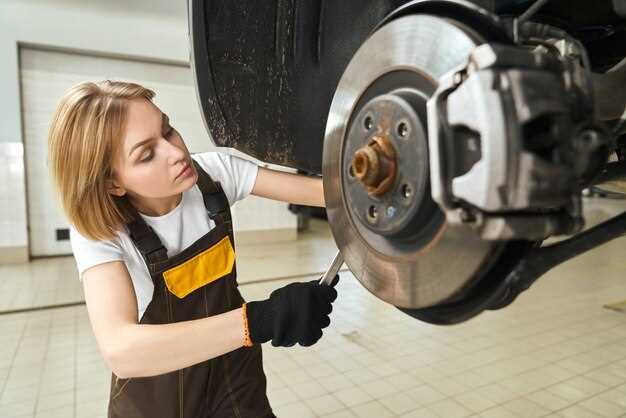
To achieve optimal brake responsiveness in Birkin vehicles, proper installation techniques are critical. One of the primary factors is ensuring that the brake components are meticulously aligned. Misalignment can lead to uneven wear and reduced performance. Start by checking the mounting brackets and calipers for proper fitment. Utilize a torque wrench to secure all fasteners to the manufacturer’s specifications, ensuring that there is no excessive play in any parts.
Next, bleeding the brake lines is essential to eliminate any air bubbles trapped within the system. This can be accomplished through a two-person method or with the use of a vacuum bleeder. Both techniques ensure that the brake fluid is free from air, which enhances the hydraulic response when the brake pedal is engaged.
Additionally, consider upgrading to high-performance brake pads that offer better friction coefficients. When installing these pads, it’s vital to properly bed them in. This involves a series of controlled stops that allow the pad material to transfer evenly to the rotor surface, which can significantly improve stopping power and responsiveness.
Rotors should also be checked for warping or uneven surfaces. If necessary, they may need to be replaced or resurfaced. Installing slotted or drilled rotors can further enhance performance by improving heat dissipation and reducing brake fade during extended use.
Lastly, ensure that all components of the brake system, including hoses and lines, are in optimal condition. Replacing old or degraded hoses can prevent potential failures and enhance the overall feel of the brake pedal. An upgrade to stainless steel braided brake lines can also provide a firmer pedal feel, further improving responsiveness.
Testing and Fine-Tuning Upgraded Brake Systems on the Track
Upgrading the braking system in a Birkin vehicle is essential for enhancing overall performance and safety. However, simply installing new components is not sufficient. Comprehensive testing and fine-tuning on the track are critical to ensure optimal performance. This section outlines key steps to effectively test and refine upgraded brake systems.
1. Preparation for Testing
- Choose the Right Track: Select a racetrack that allows for high-speed driving and features a variety of turns and braking zones.
- Check Vehicle Setup: Ensure that all other performance components are in working order, including tires, suspension, and engine performance.
- Gather Data Acquisition Tools: Equip the vehicle with telemetry systems to capture braking performance data including distance, pressure, and temperature.
2. Initial Testing Phase
- Conduct Shakedown Runs: Perform initial laps to evaluate the immediate feel of the upgraded braking system.
- Monitor Brake Performance: Pay attention to how the car responds during braking–look for consistent stopping power and pedal feedback.
- Check for Fade: After multiple laps, assess whether the brakes experience fade, which indicates overheating or poor performance.
3. Data Analysis
After completing initial tests, analyze the collected data to identify areas for improvement:
- Brake Temperature: Review temperature data to determine if the system operates within ideal ranges.
- Pedal Feel: Assess the consistency and response of the brake pedal during various conditions.
- Stopping Distances: Compare stopping distances to benchmarks to evaluate the effectiveness of the upgrades.
4. Fine-Tuning the System
- Adjust Brake Bias: Fine-tune the brake balance between the front and rear to achieve desired handling characteristics.
- Caliper and Rotor Evaluation: Check the alignment and condition of calipers and rotors, adjusting as necessary for optimal contact and wear.
- Fluid Selection: Experiment with different brake fluids to find the best option for temperature and performance under track conditions.
5. Final Testing
Once modifications are implemented, conduct a series of final runs, focusing on:
- Consistency: Ensure brake performance is consistent across successive laps.
- Driver Feedback: Gather feedback from the driver to identify any lingering concerns with brake performance or comfort.
Conclusion
Testing and fine-tuning upgraded brake systems is an iterative process that requires patience and attention to detail. By following these steps, Birkin owners can significantly enhance their vehicle’s braking performance, leading to improved track times and greater confidence behind the wheel.


