

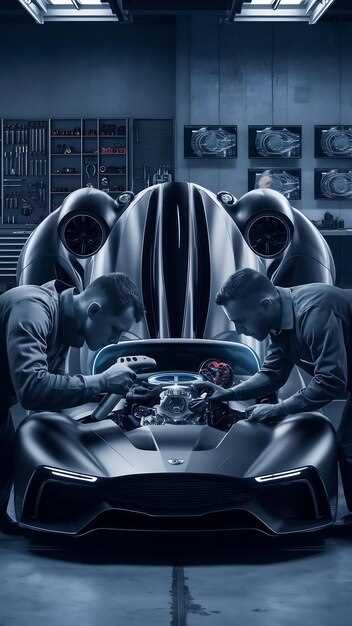
The key to enhancing your driving experience lies in selecting the right setup for transmitting power to the wheels. For enthusiasts, a well-engineered power distribution system can define the character and responsiveness of a vehicle. Consider options like rear-wheel drive for superior handling dynamics or all-wheel drive for improved traction in various conditions.
Many high-performance models incorporate advanced layouts that balance weight, agility, and power delivery. Investigate configurations such as mid-engine setups that provide optimal weight distribution, enhancing cornering capabilities. Alternatively, front-engine designs offer unique benefits, impacting the overall driving feel and stability.
Engagement with different transmission types further influences the driving dynamics. Manual gearboxes can provide a direct connection to the vehicle’s performance, while dual-clutch systems promise rapid shifting and efficiency. Carefully analyzing these features will help you tailor your choice to meet specific performance goals.
Understanding the Key Components of Birkin Drivetrains
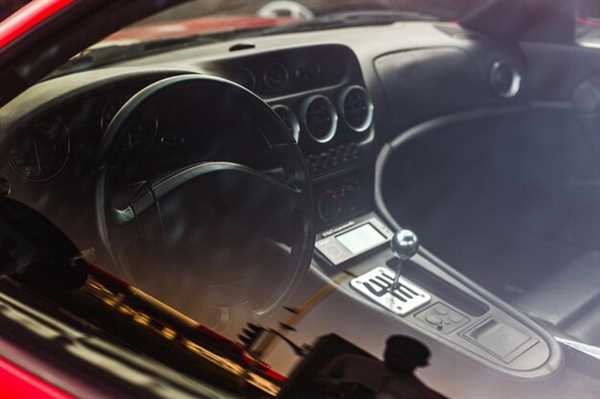
Transmission type plays a significant role in performance. Manual gearboxes are preferred by enthusiasts for their direct connection and control, while automatics offer convenience without sacrificing speed. Each choice significantly influences acceleration and gear changes.
The engine forms the heart of every vehicle. Typically, a high-performance, naturally aspirated engine delivers exhilarating power. Consider specifications like horsepower and torque ratings when evaluating options. A lightweight design enhances responsiveness and agility.
Suspension integrates seamlessly with the drivetrain, impacting handling characteristics. Adjustable setups allow customization for various driving styles, enhancing grip during cornering. Understanding the balance between stiffness and comfort is key for optimal performance.
Driveshaft design is crucial for torque transmission. A lightweight yet robust driveshaft minimizes energy loss, directly influencing acceleration. Materials such as carbon fiber or aluminum can significantly reduce weight, further aiding performance.
The choice of differential alters how power is distributed to the wheels. Limited-slip options provide better traction by ensuring power is sent to the wheel with the most grip, which is paramount in dynamic driving scenarios.
Cooling systems maintain optimal operating temperatures under high-stress conditions. A well-designed radiator and oil cooler prevent overheating, ensuring consistent performance during spirited driving sessions. Monitor temperatures to uphold reliability.
Exhaust systems enhance engine efficiency and sound. A free-flowing exhaust reduces back pressure, allowing for better performance and power gains. Pay attention to material quality and design for a perfect balance of aesthetics and performance.
Lastly, ECU tuning can optimize engine performance settings. Adjusting fuel maps and ignition timing enhances both power output and efficiency. Keep in mind that modifications should be carefully calibrated to maintain reliability.
Evaluating Performance Benefits of Different Drivetrain Layouts
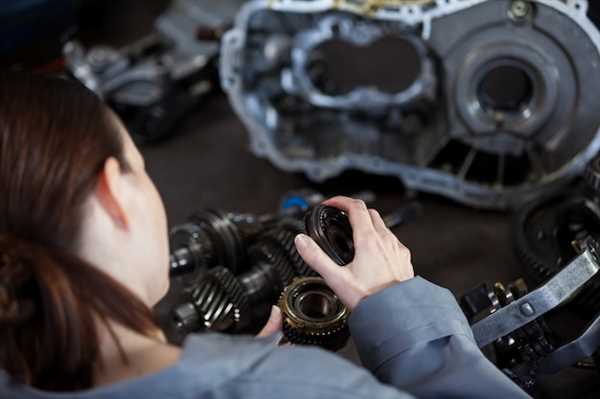
The choice of the power delivery system significantly influences vehicle dynamics and overall performance. A rear-wheel-drive setup typically offers better handling due to a more balanced weight distribution, enhancing cornering capabilities.
All-wheel drive systems, while generally heavier, provide enhanced traction, especially in adverse weather conditions. This layout allows for superior acceleration out of corners, making it a preferred choice for many performance-focused applications.
Front-wheel drive configurations benefit from a more compact design and reduced curb weight. They excel in efficiency and can provide adequate performance for lighter models, leading to easier handling in urban environments.
- Rear-wheel drive: Improved handling and weight distribution.
- All-wheel drive: Enhanced traction and acceleration.
- Front-wheel drive: Compact design and urban efficiency.
Powertrain layout also dictates the driving characteristics of the vehicle. A mid-mounted engine paired with rear-wheel drive offers optimal weight distribution, enhancing stability and cornering performance.
For enthusiasts looking for high-speed performance, consider a system that optimizes power delivery while ensuring seamless gear transitions. Dual-clutch setups deliver faster shifts, improving acceleration times significantly.
- Assess the intended use of the vehicle.
- Evaluate the weight distribution advantages of different layouts.
- Consider the benefits of traction in all-wheel configurations.
Conducting tests on various configurations under similar conditions can yield insightful data. This analysis aids in identifying the most suitable layout for specific performance goals, ensuring maximized effectiveness on the track or road.


